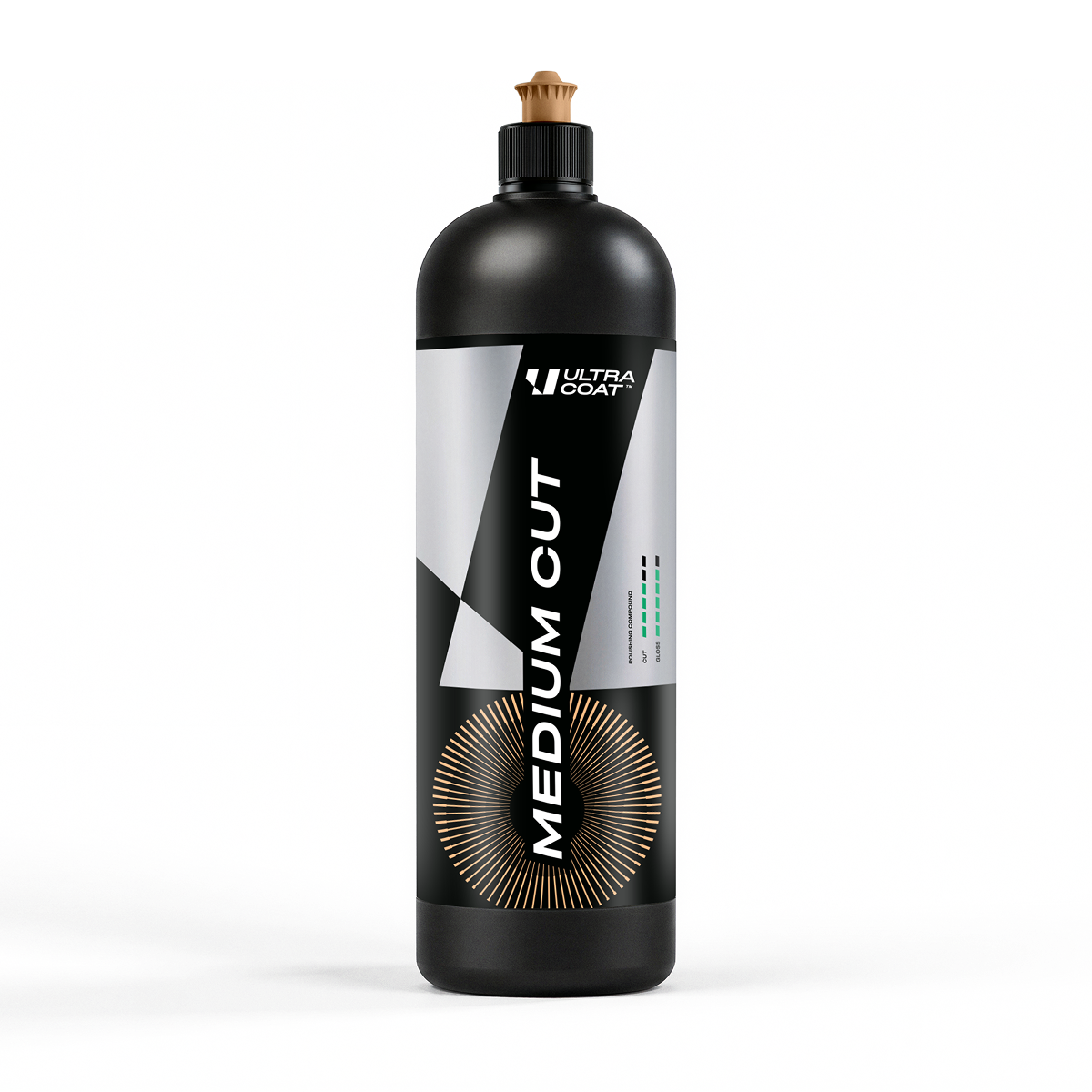
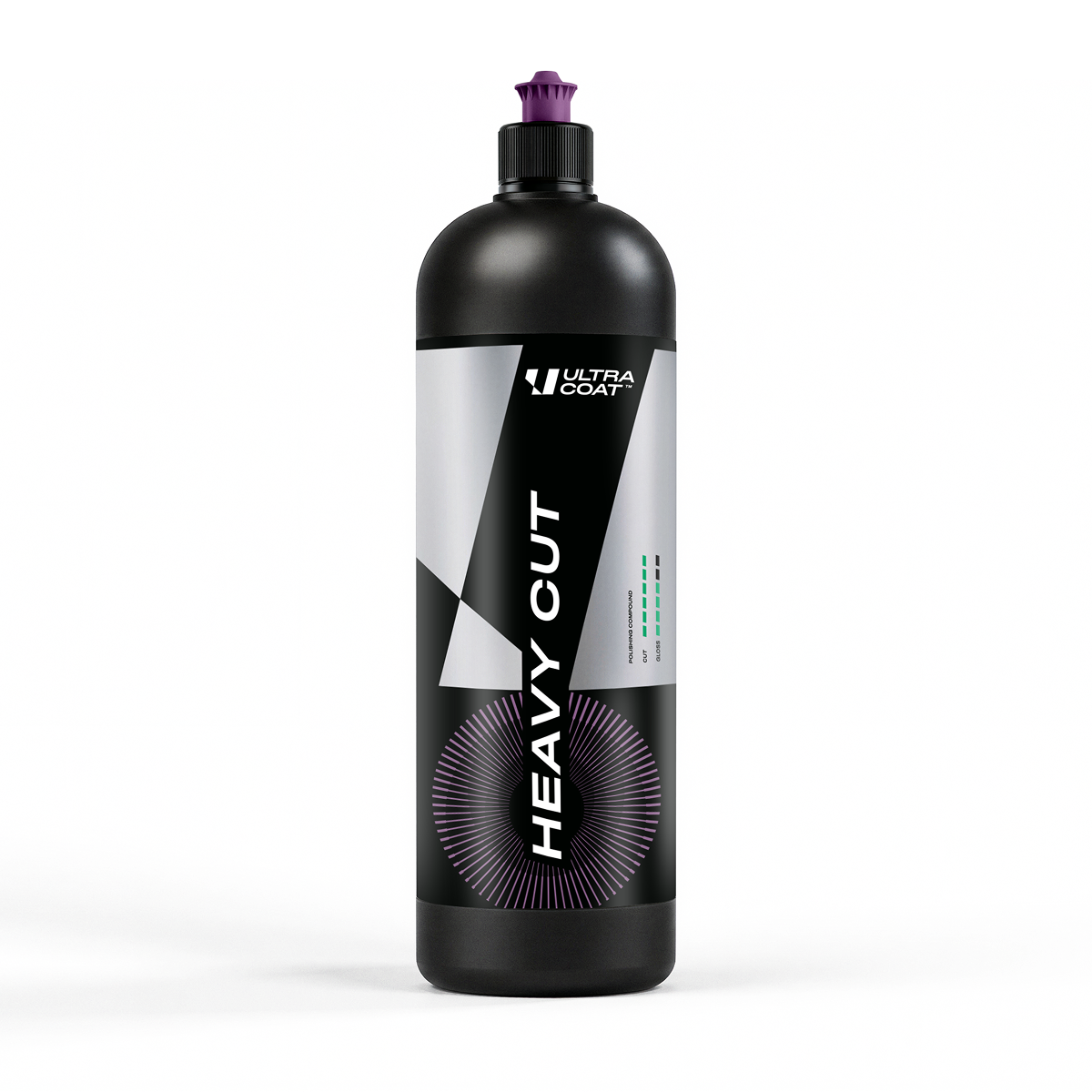
Paintwork Polishing - Precise Correction and Real Surface Improvement
Paintwork polishing is one of the key stages of detailing, and its purpose goes beyond simply improving appearance - it involves genuine surface correction. Unlike washing or routine maintenance, polishing removes paint defects such as scratches, dullness, holograms and marks left by automatic car washes. When carried out correctly, the process restores colour depth, clarity and uniformity of finish.
The centrepiece of the entire process is the polishing compound. Compounds vary in their cutting power and intended use, and choosing the right one determines whether the work will be safe for the paintwork and whether the final result will meet expectations.
Polishing Compounds - Different Levels of Correction
Polishing compounds used in detailing are not a single-type product. Their action is closely tied to the degree of paint damage and the desired end result — making it possible to carry out everything from a light surface refresh to a full paint correction.
How to Choose the Right Polishing Compound
Selecting a polishing compound should never be a random decision. Assessing the condition of the paintwork and defining the desired outcome are both essential.
If the paintwork is only slightly dull or has minor micro-defects, a light finishing compound will suffice. For visible swirl marks from automatic car washes or everyday use, a medium-cut compound may be required. For deeper damage, a more aggressive correction is needed to genuinely remove defects from the paint surface.
The type of lacquer is equally important - softer paints require greater care and milder products, while harder surfaces allow for more intensive work.
What Problems Does Paintwork Polishing Solve?
The polishing process addresses specific aesthetic and functional issues:
Visible marks and scratches
Polishing compounds remove or significantly reduce surface defects, restoring a uniform appearance to the paintwork.
Dullness and loss of gloss
Polishing restores clarity and colour depth, improving the overall visual impression of the vehicle.
Marks left by automatic car washes
Holograms and micro-scratches caused by improper washing can be effectively eliminated through the correction process.
Uneven surface appearance
Polishing evens out the paintwork, eliminating inconsistencies in light reflection and surface texture.
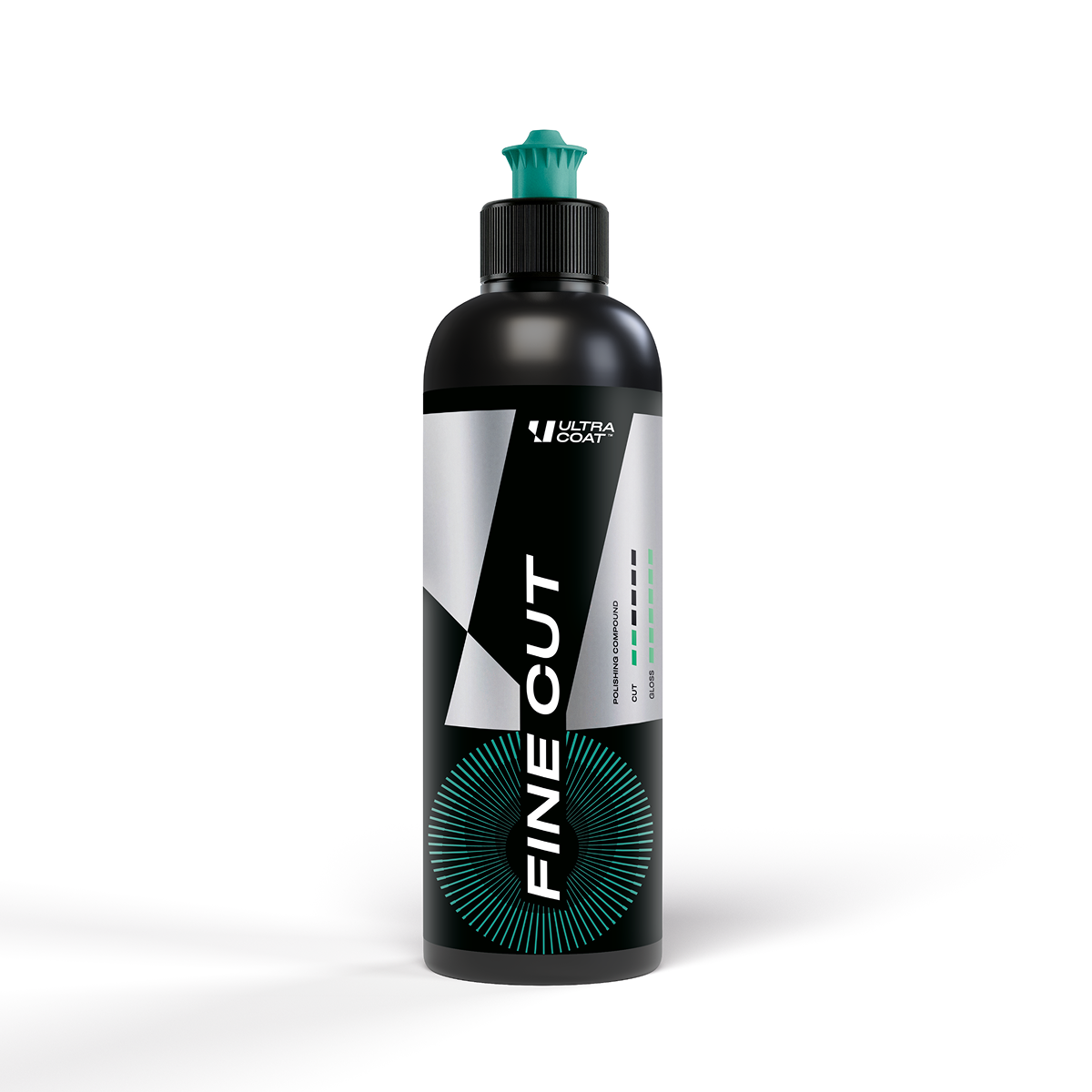
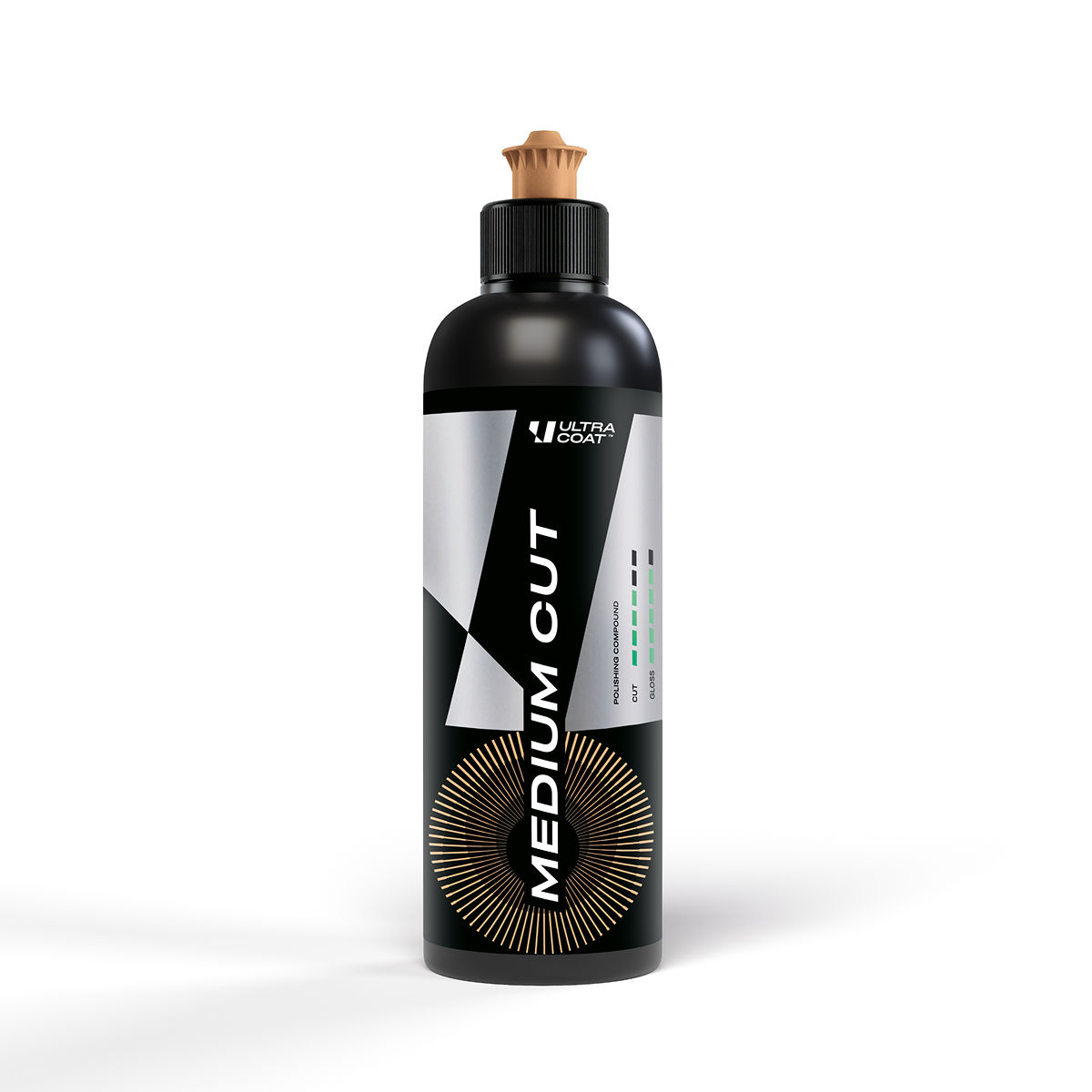
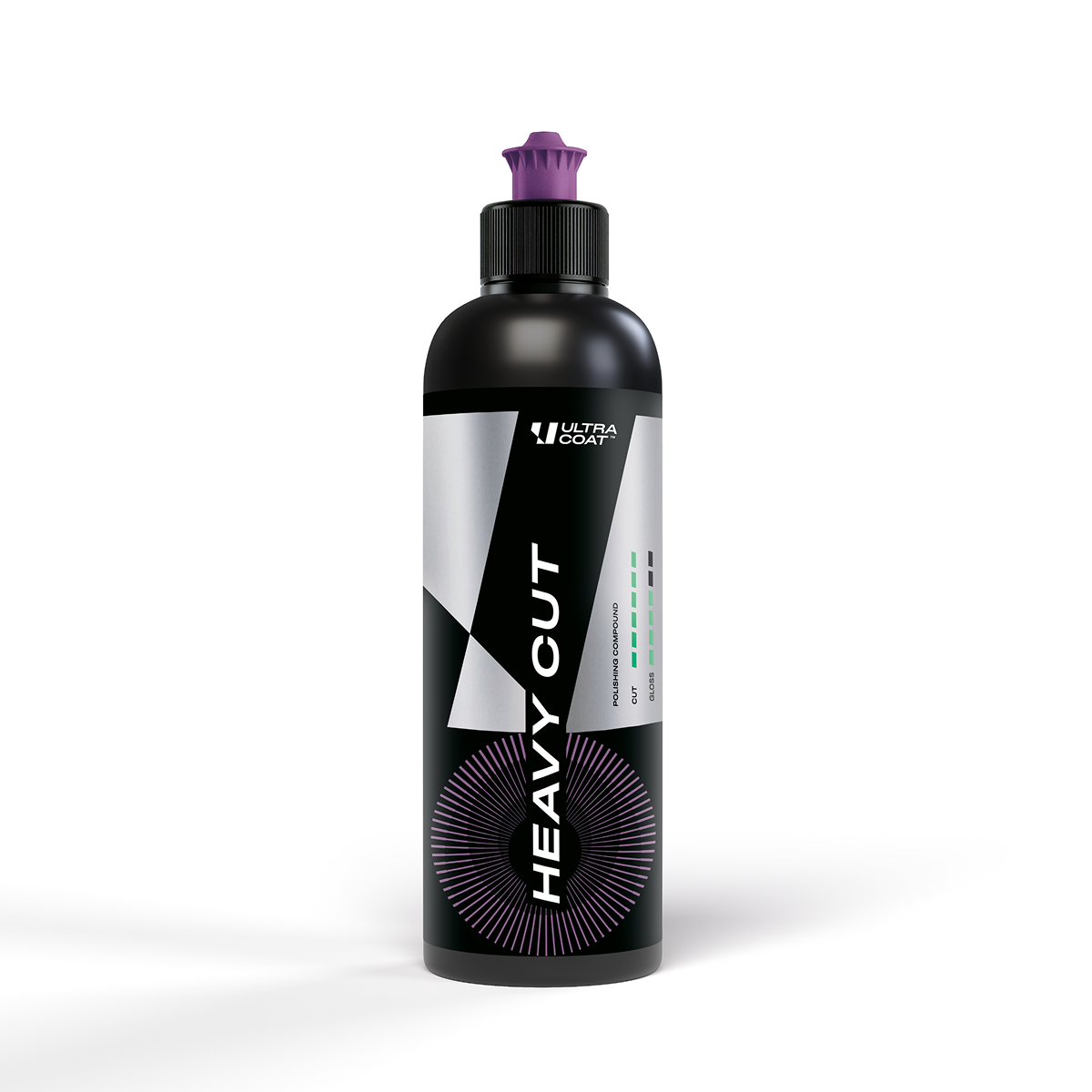
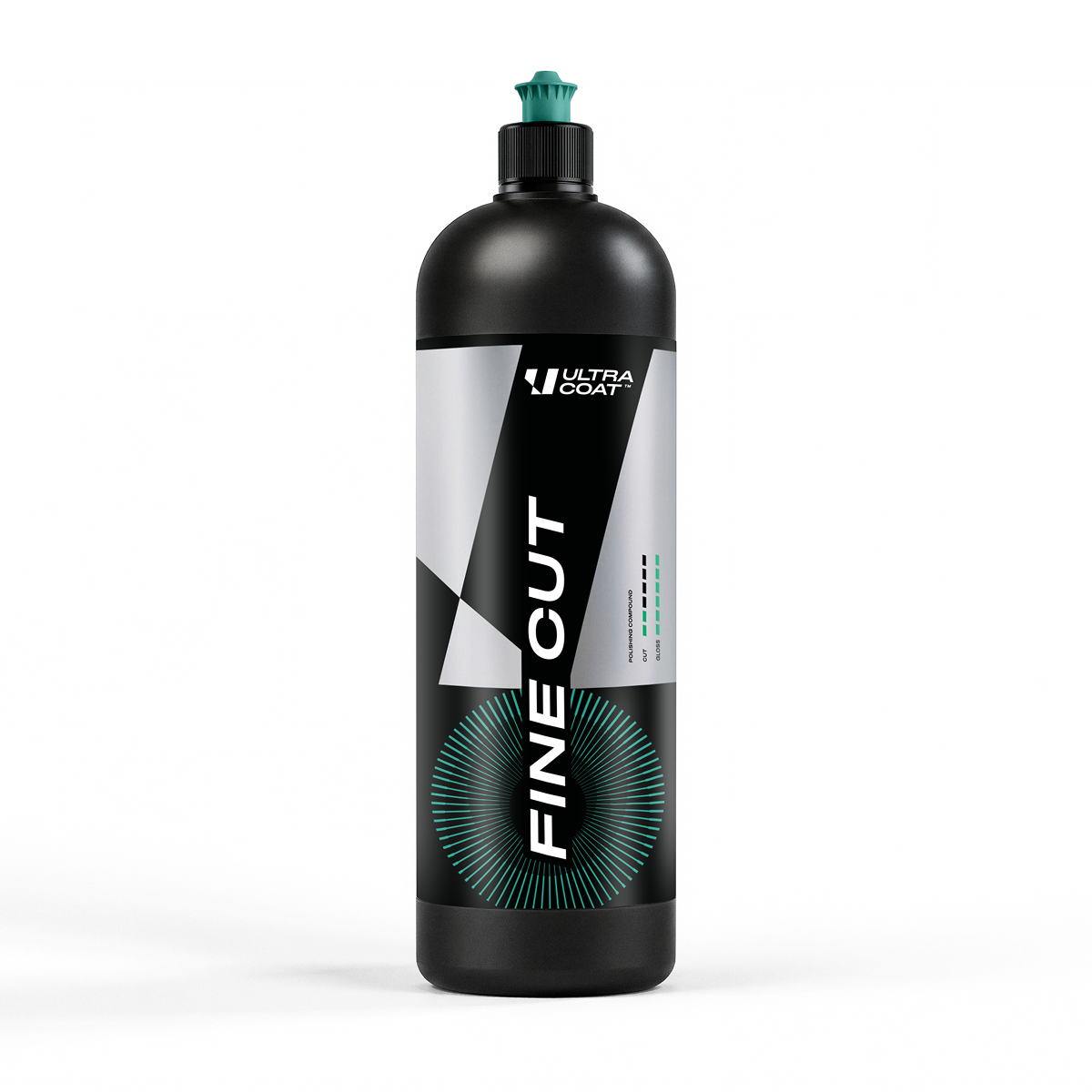
ULTRACOAT Polishing Compounds - Control at Every Stage of Correction
ULTRACOAT polishing compounds have been developed to provide full control over the paint correction process - regardless of the degree of damage or the type of surface. The carefully formulated compounds allow you to work in both intensive correction and light finishing modes, without the risk of unwanted side effects.
Combined with the right working techniques and accessories - pads, foam applicators and microfibre cloths - polishing compounds make it possible to achieve professional results even in a home environment. The polishing process not only removes paint defects, but also prepares the surface for further care, such as the application of protective coatings - enhancing both the durability of the protection and the visual result.
The ULTRACOAT range includes polishing compounds suited to a variety of needs and levels of paint damage. Every stage of the polishing process - from light refinement to the removal of deeper scratches - is safe and effective. Choosing the right compound depends on the type of defect and the desired end result, so it's always worth matching the product to the specific task and the type of lacquer involved.